On December 6th Katharine Wheeler participated in the closing conference for EPF’s campaign on Access to Healthcare for All. At the conference EPF presented their Roadmap for Universal Health Coverage for all. Katharine was invited to speak as a patient organisation representative and stressed the importance of leaving no-one behind if we want to achieve the UN sustainable development goals by 2030. She also stressed how important it is that all stakeholders, including patients, are involved across the board and that involvement is not limited to token gestures when it comes to designing new policies and looking at ways to reduce waste while improving the standard of care. This is all the more true when it comes to complex, chronic and rare diseases where care can be fragmented at best in any country, or almost non-existent in others.

Below you will find EPF’s press release, issued on 6th December.

TAKING ACTION: EPF’S ROADMAP TO ACHIEVE
UNIVERSAL HEALTH COVERAGE FOR ALL BY 2030

BRUSSELS, 6 December 2017 – EPF’s Campaign on Access to Healthcare for All calling for Universal Health Coverage by 2030 is coming to an end. During its closing Conference held today at the European Parliament, EPF presented its Roadmap and called for political change to ensure the rights of all patients are respected, to fight the health inequalities that persist across the EU, and to make health a priority in all policies at national and EU levels.

A tool for political guidance and a call for a long-term vision

Patients and citizens still face many unmet needs and unequal access to healthcare in all EU Member States. The output of EPF’s one-year campaign, EPF’s Roadmap to achieving universal health coverage for all by 2030 aims to tackle these in two main ways: “With this Roadmap we want to provide political guidance and recommendations to policy makers and politicians and to encourage them to have a longer-term vision and to reflect on what kind of society we want for the patient community and the wider public by 2030.” said Nicola Bedlington, EPF Secretary General.

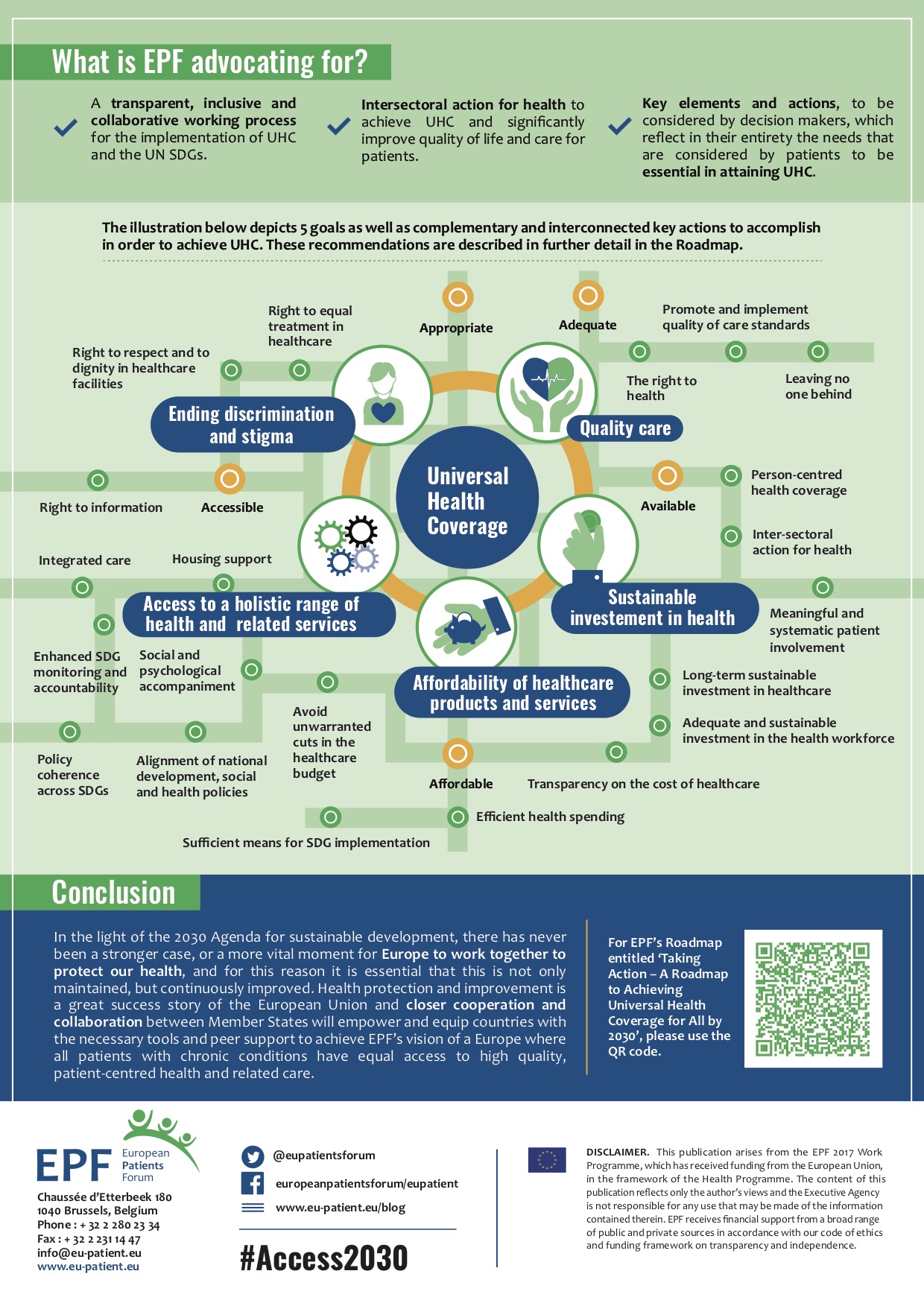
What is EPF advocating for?

This Roadmap is intended mainly for EU and Member State decision and policy-makers and urges them to:

  • Provide equitable access to high-quality care to all patients, regardless of which country the live in or their country of origin;
  • Commit to invest sustainably in healthcare based on outcomes and added value;
  • Ensure the delivery of healthcare products and services that are affordable for all;
  • Promote better coordination of care and implement access to a holistic range of health and related services, ensuring that the package of services covered by the healthcare system is tailored to the needs of patients;
  • End the discrimination and stigma that patients face and make sure that no population is excluded.

UN SDGs as a compass, European health collaboration as a means

The Roadmap emphasises the importance and need to establish a transparent, inclusive and collaborative working process for the implementation of UHC and the UN SDGs.

“I we don’t get it right on the SDG on Health, then there is a risk that the other SDGs will fail. By the same token, if we don’t get it right in health collaboration post 2020, then some other big aspirations for the EU in terms of economics and growth will also fail,” added Nicola Bedlington.

This Roadmap echoes numerous initiatives taken by EPF to increase access for patients and citizens across Europe. On Monday 4th December, the EPF roundtable on cross-border healthcare provided an updated assessment of the current state of implementation of the directive from the perspective of patients, pointing out the gaps in access but also in the quality and safety of the care received across Europe.

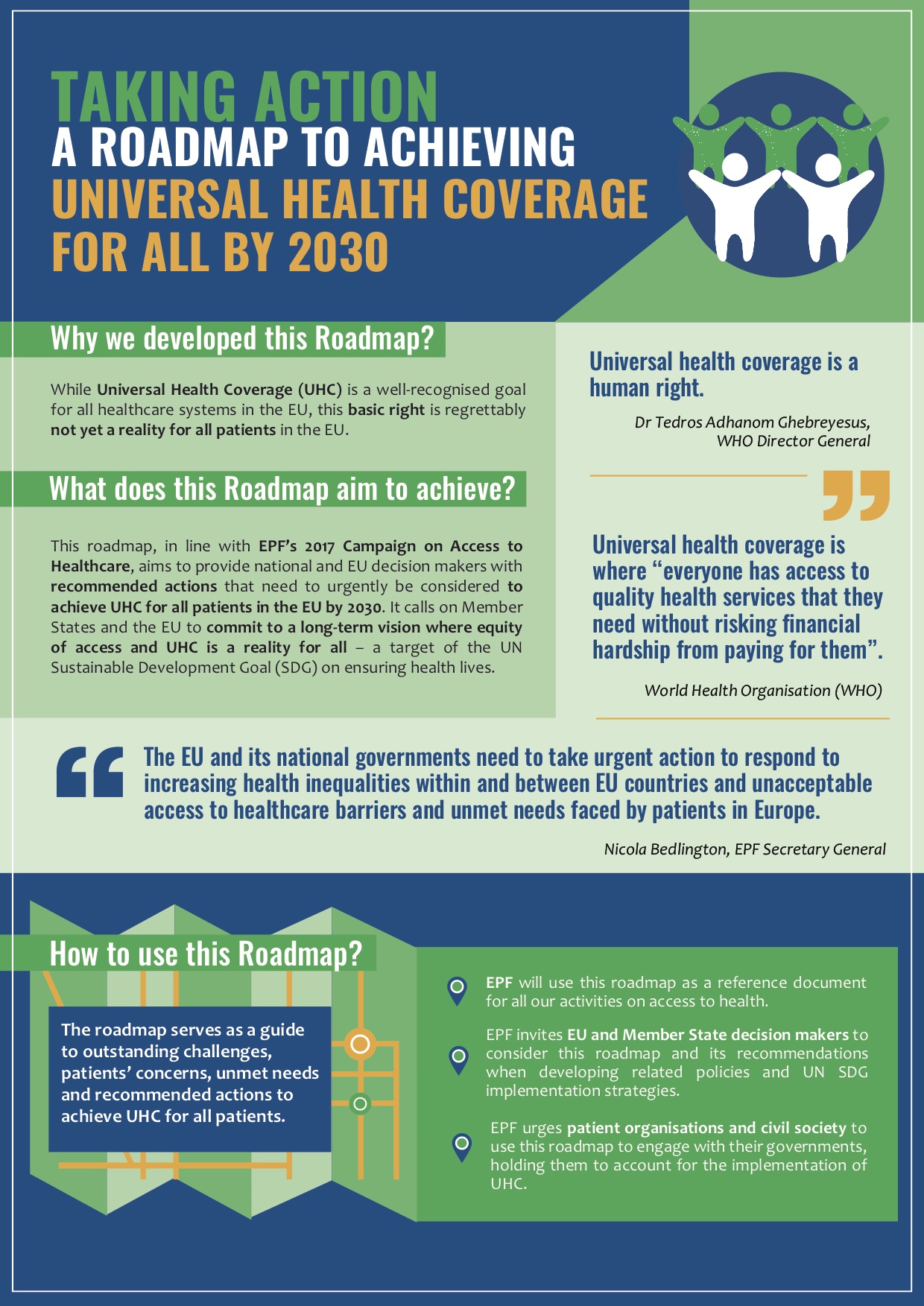
Please find here EPF’s Roadmap entitled ‘Taking Action – A Roadmap to Achieving Universal Health Coverage for All by 2030’.

A factsheet giving a snapshot of this Roadmap has also been developed.
access_to_healthcare_ii

access_to_healthcare_.jpg

Live Facebook Feed

Comments Box SVG iconsUsed for the like, share, comment, and reaction icons

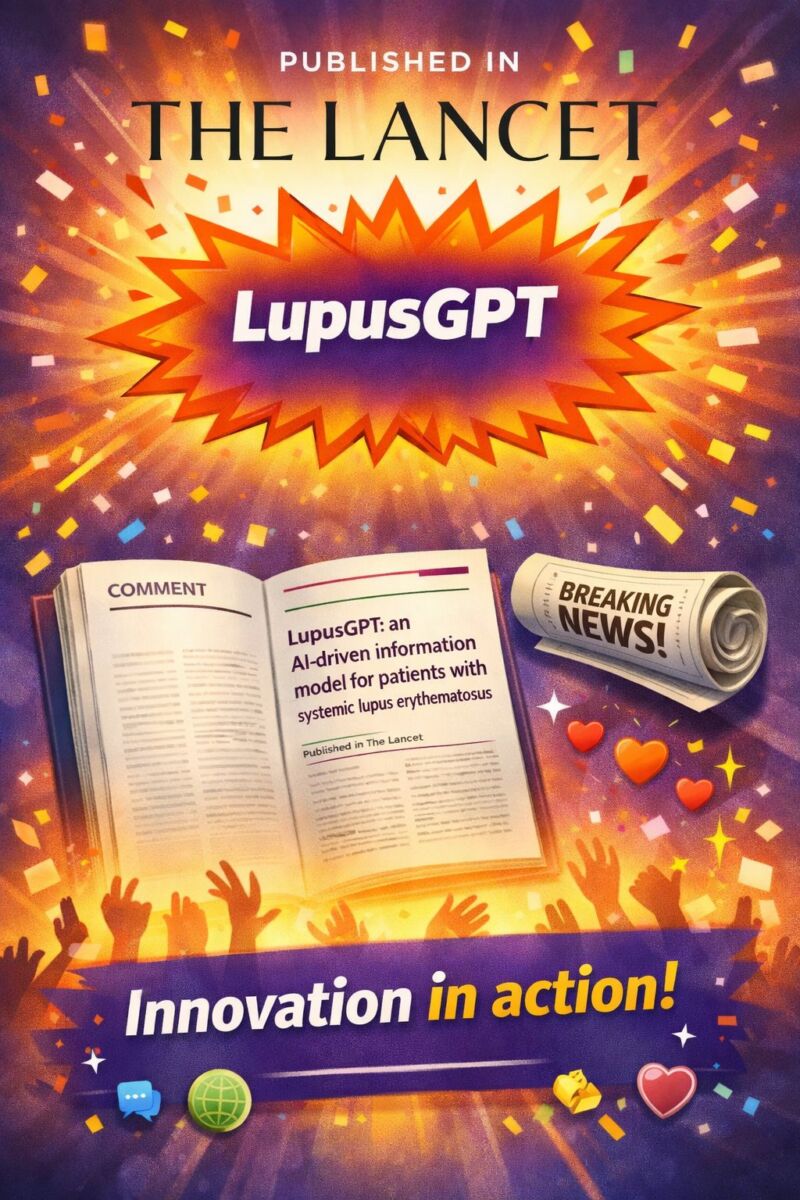
We are very proud to share that LupusGPT has now been published in The Lancet Rheumatology, one of the world’s leading medical journals in rheumatology.

For us, this is not only about a publication. It is about what LupusGPT stands for.

LupusGPT is free. It is patient-led. And it was built to help people living with lupus find reliable, accessible information in almost any language.

It began with a simple but important question: what could become possible if patients, clinicians, and digital experts truly worked together from the start?

That question was first opened up in a fishbowl discussion at the European Lupus Meeting 2024 on how the lupus community could get the best, but not the worst, out of AI. From there, LupusGPT was shaped through the care, intelligence, and effort of many people: volunteers, patient testers, clinicians testing across languages, people who gave feedback, and people already helping us share it with patients in clinics, organisations, and communities.

This publication matters because it shows that patient-led innovation belongs in the scientific world too. It shows that when patient voice is not added at the end, but built in from the start, something real can grow.

A heartfelt thank you to all authors: Zoe Karakikla-Mitsakou, Alain Cornet, Jeanette Andersen, Sarah Dyball, Cristiana Sieiro Santos, Daniel Guimarães de Oliveira, and Laurent Arnaud. Special thanks also to Daniel Guimarães de Oliveira for the thought, care, and belief he brought to this work, and to Professor Laurent Arnaud for his outstanding support, steadiness, and guidance.

And above all, thank you to everyone in the Lupus Europe community who keeps showing us why this matters.

LupusGPT. Free. Multilingual. Patient-led. And now part of the scientific record.

doi.org/10.1016/S2665-9913(25)00370-4

Read it for free now! You only need to register (registration is completely free and takes 1')
... See MoreSee Less

We are very proud to

🚨 Today is #WORDDAY2026! Which stands for WOrld Young Rheumatic Disease Day.

🌍 Through this global event, we can spread the word that children and young people get rheumatic diseases like lupus, too.

‼️ It is estimated that around 15-20% of #lupus patients are children, although it is rare that a child develops lupus before 5 years of age.

As with adult patients, the cause of lupus remains unknown, and there is a great choice of treatments to keep the disease under control.

🔴 On average, it takes nearly 6 years for people with lupus to be diagnosed. This delay in diagnosis, and therefore in treatment, can have an impact on the prognosis and quality of life of patients; this includes kids.

😰 The moment your child gets a diagnosis might be overwhelming for you. This feeling of overwhelm can and does go away with time and with access to the right information.

👉 Remember: it is impossible to learn everything about #lupus overnight! Your child's doctor is the best source of information.

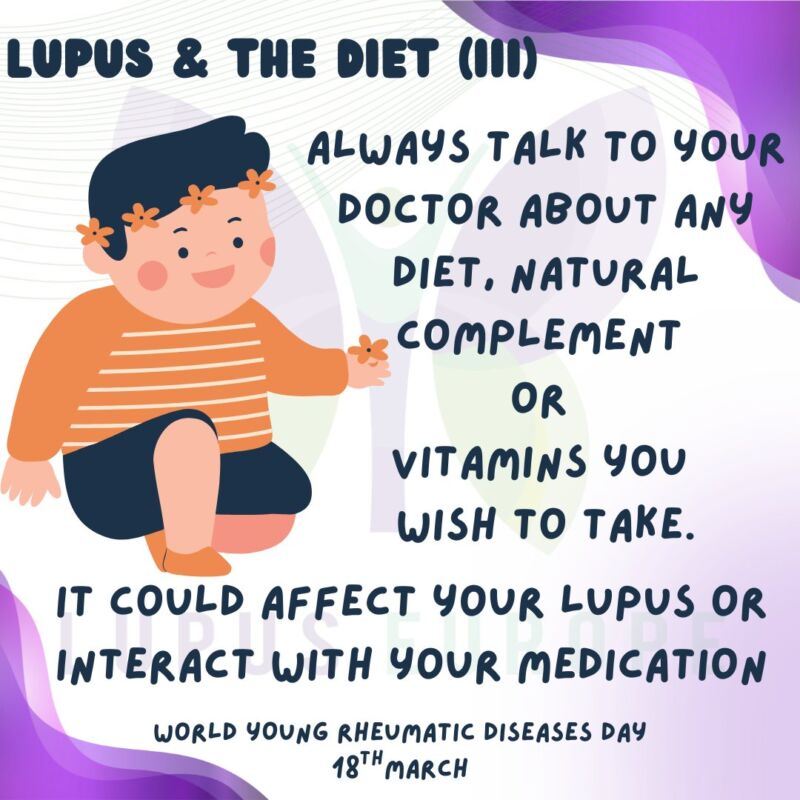
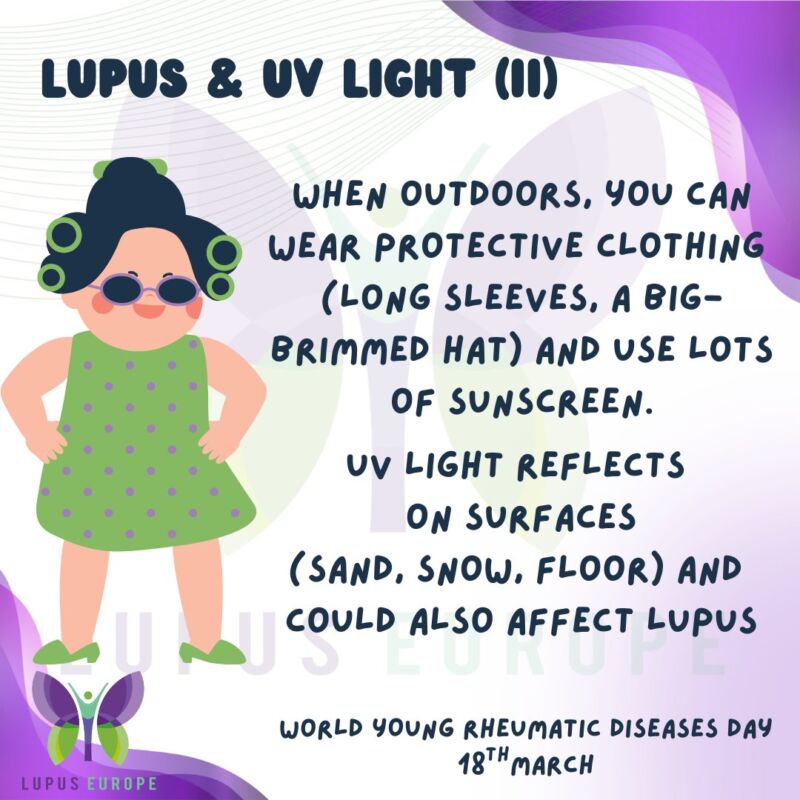
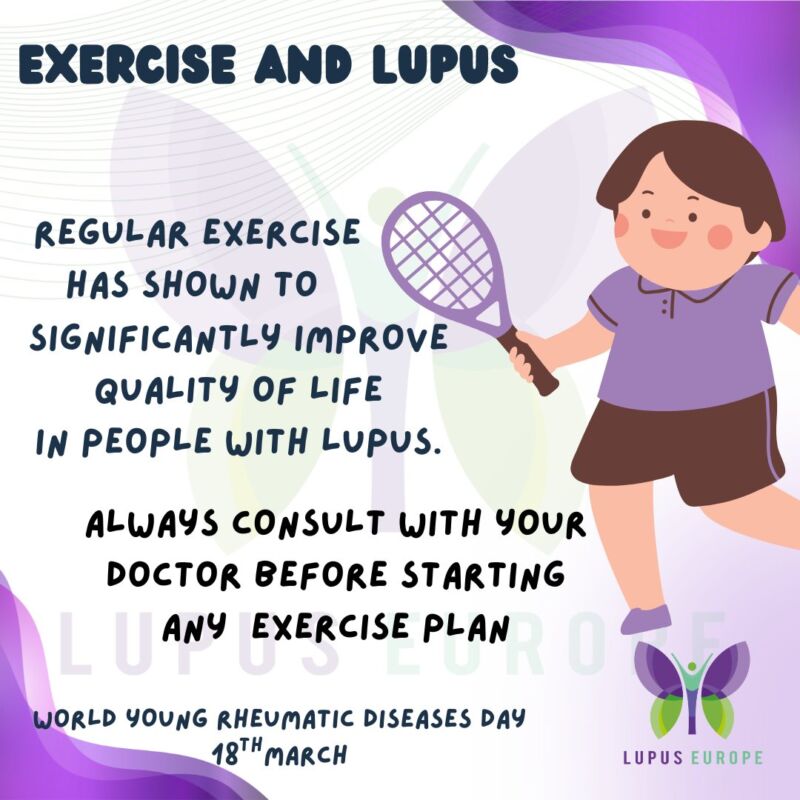
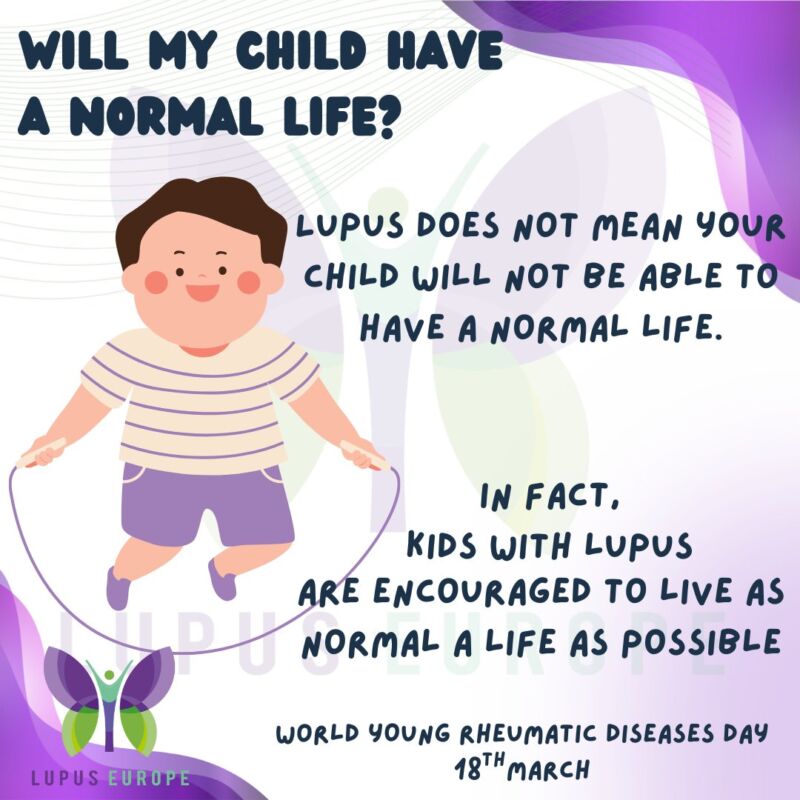
Apart from pharmacological treatment, other non-pharmacological measures can also help in lupus management.

📷 Take a look at the images we are sharing today to learn about these non-pharmacological measures and share them with your community to help us raise awareness.

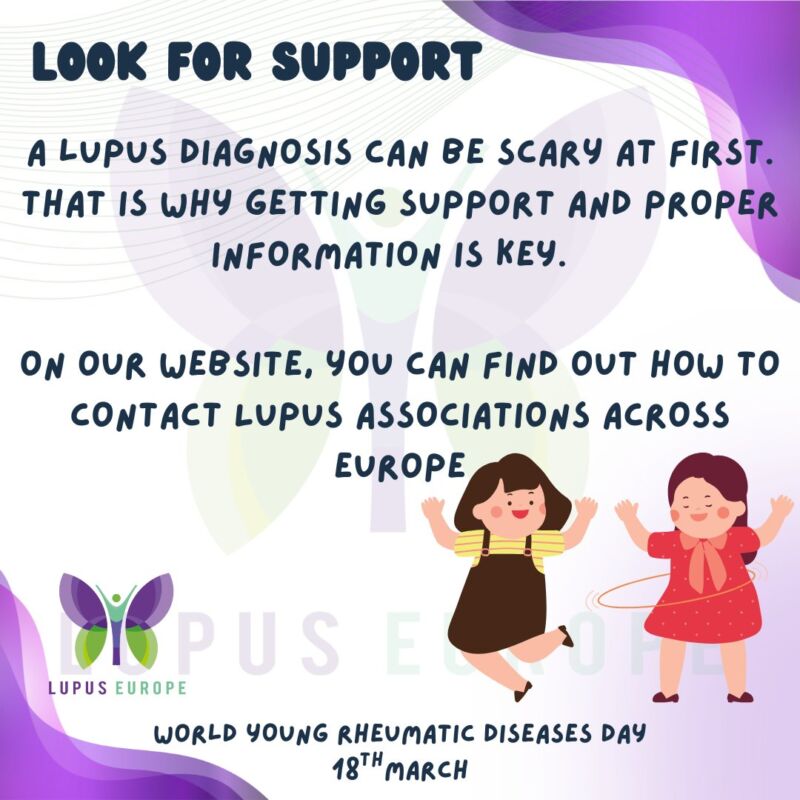
🐺 Lupus can seem scary at first. Remember that you are not alone and that you are going to do a great job!

Turn to your lupus association for support.

🤗 There are many organisations across Europe that can help you and your child cope with the disease.

More information on #SLE in children at #Lupus100: f.mtr.cool/oklkpqamyu

For more information on WORD Day, you can visit World Young Rheumatic Diseases Day - WORD Day
... See MoreSee Less

Image attachment
Image attachment
Image attachment
Image attachment
Image attachment

🔴 Tomorrow is #WORDDAY2026!

🦋 And we will be sharing tips and information on how #lupus can affect children.

Help us raise awareness, which is key for an early diagnosis & a quick referral to a specialised paediatric rheumatologist.

Share our posts and follow the World Young Rheumatic Diseases Day - WORD Day campaign.

More information on lupus in children at #Lupus100 (19 languages):

f.mtr.cool/hnfukbkwdf
... See MoreSee Less

🔴 Tomorrow is #WO

Watch this Lupus Europe Webinar on the European Lupus Meeting (ELM) 2026, As Viewed by Lupus Europe's PAN Members & Volunteers!

... See MoreSee Less

0 CommentsComment on Facebook

LUPUS EUROPE Uniting people with Lupus throughout Europe
Send