Every year, EULAR grants a set amount to its knowledge transfer programme. The programme is designed to support patient organisations that wish to further develop their skillset through applying lessons learned by other organisations in the EULAR network.

This knowledge transfer is mainly done through visiting an organisation in another country. The programme is open to EULAR member organisations of PARE, and to organisations with co-opted delegates in the Standing Committee of PARE.

The total amount available for this programme is EUR 15,000.00.

Organisations are asked to develop and submit project ideas that will contribute to the development of professional capabilities within the organisation itself.

The organisation is required to describe their ideas in detail in the application form. In order to share their findings, EULAR expects recipient organisations of a grant to provide a report after the stay, focusing on the results achieved.

To apply, send your completed application documents to the EULAR Secretariat by 10 November 2018 (23:59 CET) to alzbeta.goehmann@eular.org

For any questions regarding your project, or for help with filling in the application forms, please contact Alzbeta Göhmann at the EULAR Secretariat.

Link to the EULAR Knowledge Transfer website:  https://www.eular.org/pare_knowledge_transfer_progamme.cfm?cache=no

EULAR offers help to find a suitable partner organisation based on a short description of need, consultation on ideas and a webinar on how to apply for the Knowledge transfer programme on Monday, 15 October 2018 from 19:00 to 20:00 CET. You have to register for this webinar by 4 October 2018.

Live Facebook Feed

Comments Box SVG iconsUsed for the like, share, comment, and reaction icons

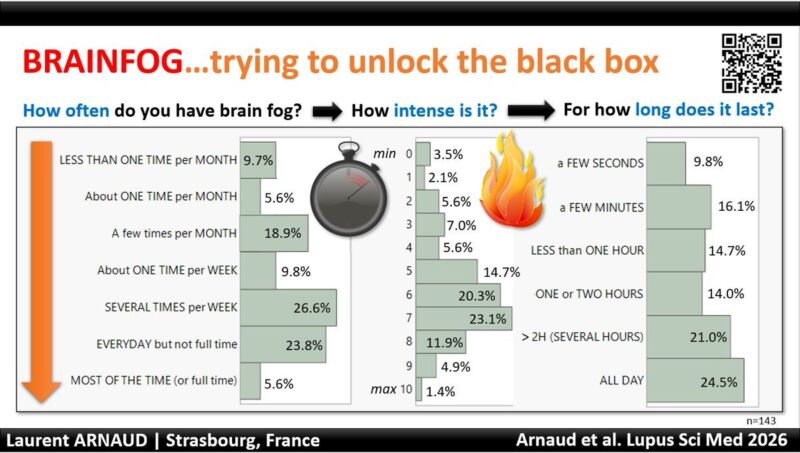
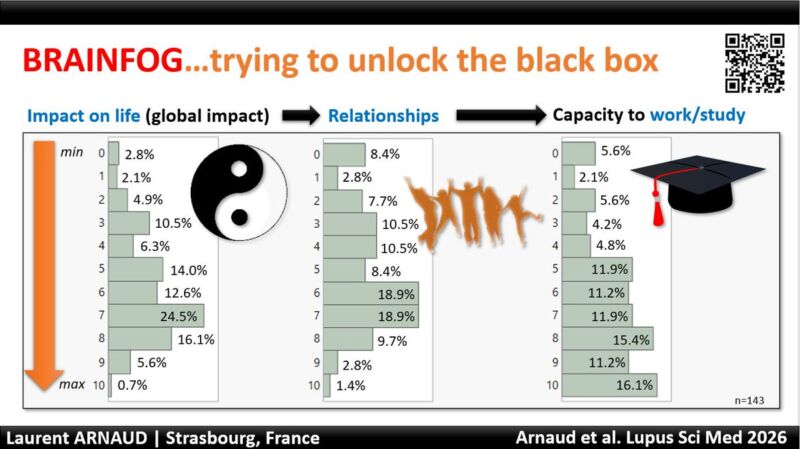
🧠 As lupus specialist Prof Laurent Arnaud clearly states, “Your experience of brain fog is real. It is common. It deserves attention.”

That is why the Lupus Brain Fog Severity Scale (LBFSS) was developed: to provide a lupus-specific way to assess the severity and impact of brain fog and related cognitive symptoms.

Importantly, people living with lupus were not simply asked to approve a finished questionnaire. Their own descriptions of brain fog were the starting point for its development.

🎥 Watch Prof Laurent Arnaud and our Chair, Jeanette Andersen, explain how people living with lupus helped shape the #LBFSS from the very beginning.

🦋 Lupus Europe is proud to have contributed to this international work and to have supported meaningful patient involvement throughout the development process.

📖 Read the study:
lupus.bmj.com/content/13/2/e002148
... See MoreSee Less

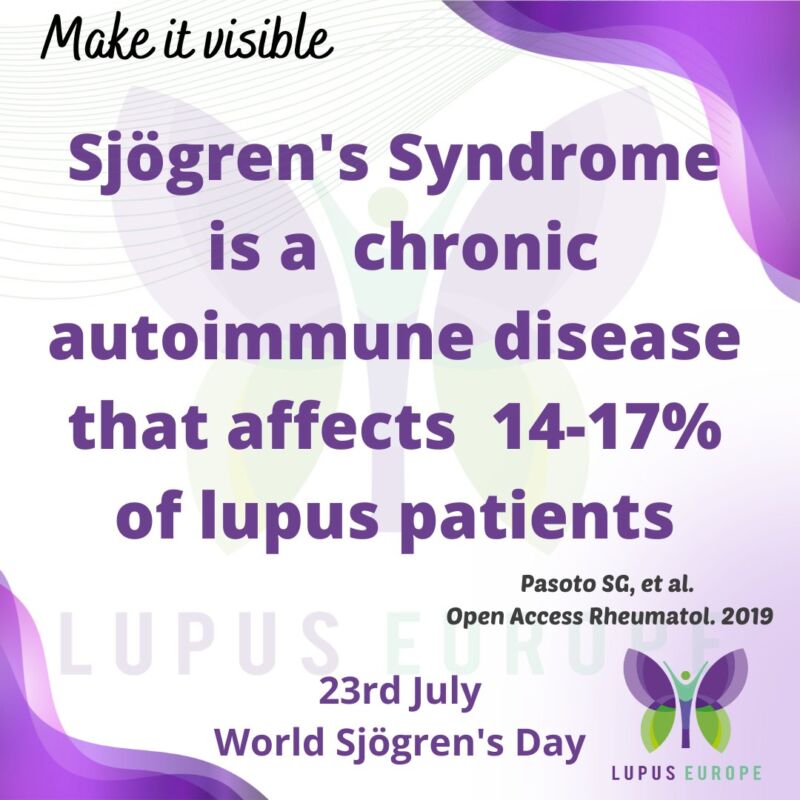
‼️Today is #WorldSjogrensDay, a chronic autoimmune disease that affects 14-17.8% of #lupus patients.

💁‍♀️ Although Sjögren's is a systemic disease that goes far beyond dryness, dryness remains a frequent, significant and disabling symptom.

➡️ Follow Sjögren Europe to know more.
... See MoreSee Less

‼️Today is #Worl

🧠 Brain fog is real.

For many people living with lupus, it affects everyday life, yet it has often remained difficult to measure.

✅ The new Lupus Brain Fog Severity Scale (LBFSS) is the first questionnaire designed specifically to assess brain fog in lupus.

🦋 Lupus Europe is proud to have contributed to its development through meaningful involvement of people living with lupus. It's another example of how patient perspectives help shape better research and better tools.

🎥 Watch Prof Laurent Arnaud and our Chair, Jeanette Andersen, explain why the LBFSS is such an important step forward in lupus care.

lupus.bmj.com/content/lupusscimed/13/2/e002148.full.pdf
... See MoreSee Less

🦋 Understanding lupus is crucial for effective management and self-management.

💁‍♀️ Many of us know what lupus is, and we’ve been learning from trusted resources like #Lupus100 and #LupusGPT.

🤔 But… how much do we really know about SLE?
Do we know as much as we think we do?

𝐓𝐫𝐲 #𝐒𝐋𝐀𝐊𝐄 𝐚𝐧𝐝 𝐟𝐢𝐧𝐝 𝐨𝐮𝐭❗

🎯 SLAKE (Systemic Lupus Assessment score for Essential Knowledge) is a quick and easy online tool designed for people living with lupus to test their knowledge and learn more about the disease.

📝 44 questions, randomly selected from a pool of 394
⏱️ Around 15 minutes to complete
🌍 Available in 20 languages
📊 A score for each lupus domain and an overall knowledge score

💡 Whether you're newly diagnosed or have been living with lupus for years, SLAKE helps you identify what you already know and where there is room to grow. It is not about passing or failing. It is a chance to learn more and feel more confident when taking part in decisions about your health.

📣 The SLAKE study is still open! By taking part, you are helping researchers understand which aspects of lupus are well understood and where important knowledge gaps remain.

These insights could help guide the potential development of better information resources and tools, tailored to the real needs of people living with lupus in different countries and regions.

SLAKE has been made possible thanks to the leadership of Prof Laurent Arnaud and Dr Antonin Satrin, and the collaboration of an international team of lupus experts and patient representatives.

🥰 Lupus Europe has proudly contributed to this project since the very beginning, and we encourage people living with lupus worldwide to take part while the study remains open.

🔗 Complete SLAKE today and let us know what you think!

lupusresearch.limequery.org/775349
... See MoreSee Less

LUPUS EUROPE Uniting people with Lupus throughout Europe
Send