 Zoe Karakikla-Mitsakou
Welcome back to our blog series on National Member News!
We are excited about getting our National Member news out to the world, so more people can find out what it is happening in each country and each member organisation! We caught up with Rita Mendes from the Portuguese Lupus Association – Associação de Doentes com Lupus – who talked to us about the incredible work the organisation is doing, the needs of lupus patients in Portugal and much more!
How do you keep in touch with or have contact with your members?
Our Lupus organisation in Portugal was born in 1992. We have been spreading Lupus awareness since that time. Since 1992 we have worked tirelessly to try to help patients across the country as well as patients from the islands of Madeira and Azores. We help patients get hospital consultations with specialists and get information on how to access treatments for their condition. We try to give people all types of support: information, psychological support and even financial support. We also have a place where people can stay in Lisbon, a dedicated house for lupus patients. This is a place that patients coming from far away, i.e. from the islands of Madeira and Azores, can stay in when they travel to Lisbon for any kind of treatment or medical appointment.
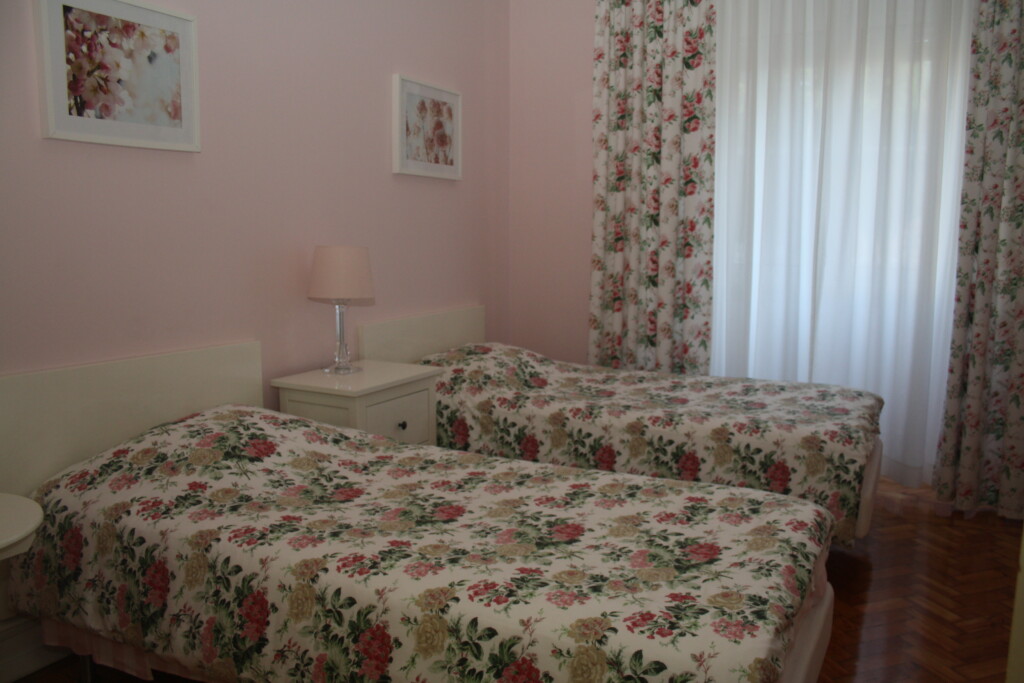
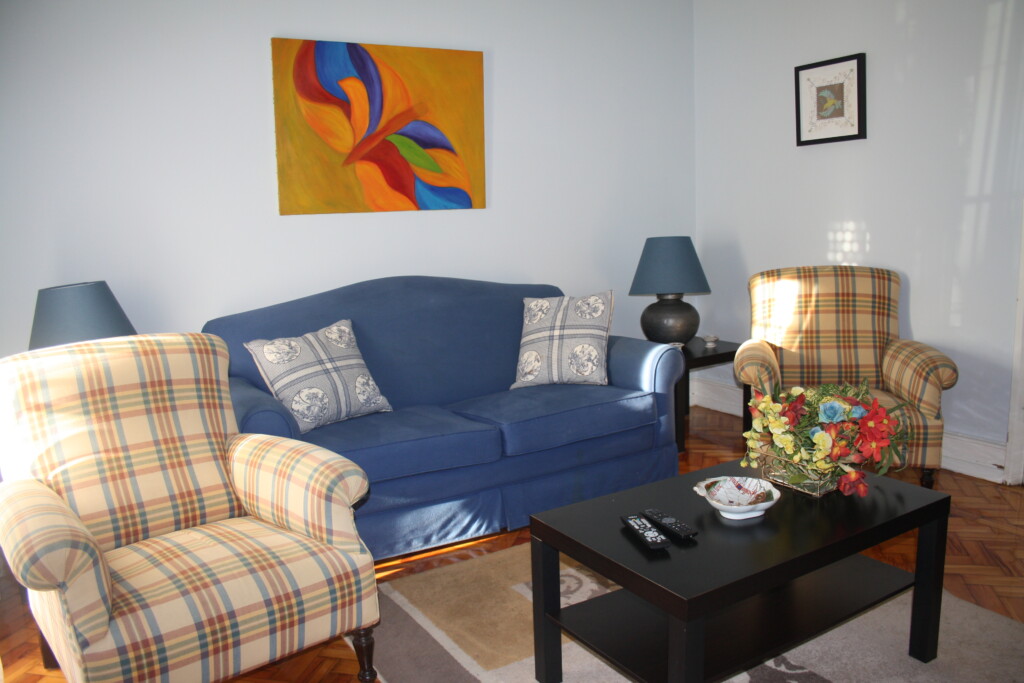
Pictures of the house for lupus patients in Lisbon
We keep in touch with our members via our website. We use our website to communicate our news and activities and to recruit new volunteers. We use social media, mainly Facebook but also Instagram now, to keep in touch with people too. On social media, we post our activities and any other information that we want to spread. We also keep in touch with our members via phone and daily emails.
Once a year we hold an Annual Meeting, and we also organise a yearly solidarity run for World Lupus Day.Our Board has monthly meetings, and we hold a General Assembly twice a year. We sometimes organise special interactive information days for members in our offices with different specialists who come to discuss the many aspects of lupus with patients: for example we organised such a day with a psychologist who talked about the effects of lupus on work.
Did you have any special meetings or webinars during the past year (World Lupus Day, Rare Disease Day, Annual General Meeting etc)?
Yes! Last year we organised our activities around World Lupus Day online, with 3 very well attended webinars, as it was not possible to do it any other way. The webinars were on specific topics around lupus, such as COVID19 vaccination and COVID19 in lupus patients, hydroxychloroquine and other therapeutic for systemic lupus erythematosus (SLE) and lastly nutrition and exercise for lupus patients. The main objective of our activities is to raise awareness around lupus, to show the different symptoms forms lupus can take and to talk about the impact of lupus on people.

Posters of the three webinars organised by Associação de Doentes com Lupus
We found that the pandemic restrictions presented an opportunity in opening up a world of online activities people could attend, such as webinars and that having online meetings gives us the chance to attract more people as well as people who would otherwise not be able to attend events in person.
Last year we even had a virtual edition of our solidarity run! As always, any funds raised through the solidary run were used to help our members and lupus patients.
Has it been difficult to keep connected with your members during the Covid19 pandemic?
During the pandemic peaks and also now, some of our members still don’t feel 100% safe to join in person events. Some people don’t join our in-person activities because of health issues or fears.
However, keeping connected with our members during the pandemic hasn’t been difficult; we used our digital channels and social media to keep connected with them.
Have there been any circumstances during the pandemic that changed the way of living with lupus?
Yes, I think so and not just for people with lupus, but for people in general. People with chronic conditions became more afraid to socialise or do activities outside the home. This contributed to them doing less physical activities generally and it may have brought some damage to their mental and physical health. Also, we found that some medical appointments were postponed or canceled because of the hospital situation with COVID19 patients and these delays and cancellations may have contributed to the worsening of some peoples’ conditions.
In Portugal, there was shortage of hydroxychloroquine during the pandemic. Hydroxychloroquine is one of the most critical medicines of Lupus! So a lot of patients were anxious as they didn’t know if they could get their medicines.
Has Digital Health improved or changed in your country?
Yes! I think there is always room for improvement, but we have seen a lot of changes for the better in terms of digital health! For example medicines for people with chronic diseases that were previously only available for collection at the hospital pharmacy can now be delivered in any local pharmacy near the patients’ residence. Online appointments are now possible too. It is important to note that patient records are also now available digitally and they can easily be accessed by doctors and patients.
What would you most need as support in your country for lupus?
One of the most important things we need is support to continue to spread lupus awareness, but also awareness around the work our organisation does! Increased awareness of the disease would help patients get quicker diagnoses of their lupus.
We would love to have more volunteers joining our organisation too! We are hopeful that with increased awareness of lupus and of our organisation, we would be able to recruit more volunteers.
Is there anything you think Lupus Europe could help your organisation with?
Yes! Lupus Europe as an umbrella organisation is very helpful in spreading best practices between countries and organisations! We have a lot to learn from what others do that works in other countries and organisations! Lupus Europe is also important in terms of spreading information on medical progress within lupus, informing us about new medicines and treatments and on how patients deal with the disease in their daily lives.
Is there any topic/theme/area that you think Lupus Europe should focus on, on something where European collaboration would make sense?
Yes! The main topics would be about fundraising and how to help organisations in each country get access to fundraising or start fundraising; it is important to share best practices on this issue. Collaboration would also make sense in discussing how to get more volunteers, as this is an issue so many organisations around Europe have to tackle.
We want to find out more information on apps that can help lupus patients manage their disease better; there’s a lot of apps out there already and we would like to find out more about ones that might be useful for lupus patients.
We think it’s important to discuss on a European level how to have good communication with doctors and what can be done to decrease the time from first symptoms to diagnosis for patients.
Moreover, websites and other important information should be spread in different languages and be shared by different countries!
Are you aware of the Lupus Europe Member Capacity Building Program?
No, but we would like to know more about it!
Could you tell us a bit about a dream you have as a group?
We dream about the day that we can give every lupus patient all the help they need. We dream of our organisation being known all over the country and especially among lupus patients. We dream of being more financially independent so we can help anyone with the disease without being limited by any kind of restriction; we are at the moment heavily dependent on public sector funding which we are thankful for but which comes with restrictions.
We dream of being able to offer a multi-disciplinary clinic on lupus, a clinic that has all the different specialists that are involved within the disease. In the past we had the land to do this and the project was approved for construction, but then we missed the funds. We also dream of continuing to offer the House for lupus patients in Lisbon, for those who need it.