 Alain Cornet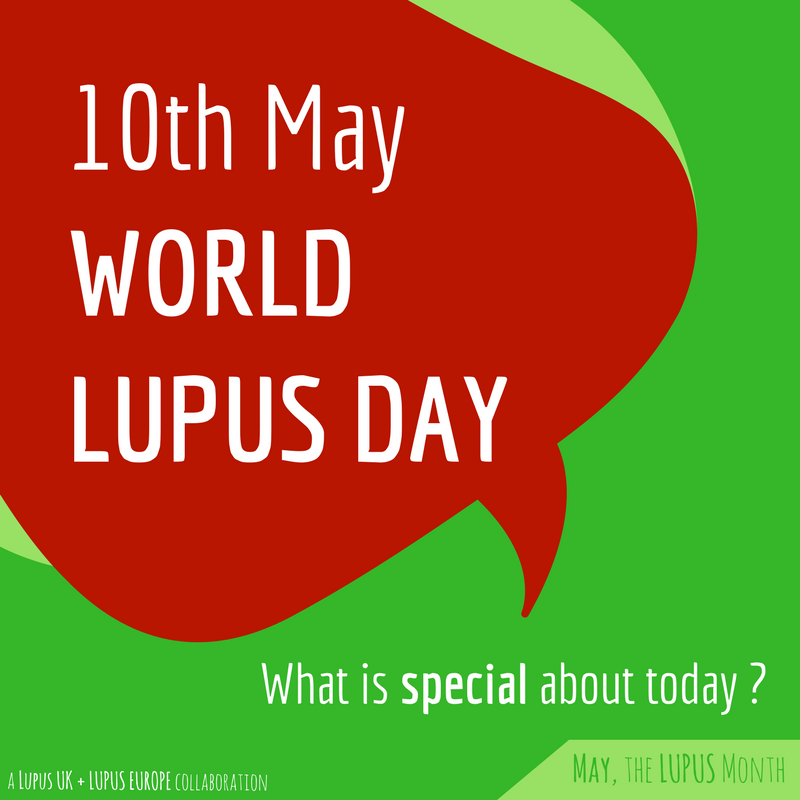
May 10th is World Lupus Day
What is lupus?
Lupus is a chronic autoimmune disease that causes the immune system to attack the body’s connective tissue and organs. Parts of the body affected can include the joints, kidneys, heart, lungs, brain, blood and skin.
Up to 500,000 people in Europe have lupus. 90% of people with lupus are women and 80% of diagnoses are made between the ages of 15 and 45.
Symptoms can vary. The less severe ones include rashes, hair loss (alopecia), swollen glands, photosensitivity, joint pain and ulcers in the mouth or nose. In more severe cases, lupus may cause pleurisy, pericarditis, psychosis, meningitis, epilepsy or kidney failure. In young women, lupus can cause miscarriage or premature delivery.
If lupus affects vital organs and is left untreated it can be potentially fatal as it may cause organ damage and failure. Fortunately, in most cases, treatment puts lupus into remission before that can happen.
Great progress has been made developing treatment plans that considerably reduce lupus activity for most patients, however there is no cure yet! Typical treatment may include antimalarials (hydroxychloroquine), steroids (prednisolone), non-steroidal anti-inflammatories, and immuno-suppressants. Many patients do well on current medication but patients with more severe forms of lupus need more treatment options and solutions which reduce the current reliance on cortisone and its many long term side-effects. A complete treatment plan should also include physical exercise which is proven to have positive effects on fatigue, pain and mental health.
In March 2011, a new biological treatment became the first FDA-approved lupus drug treatment in over 50 years, however, is only used in limited cases due to its high cost. Several new treatments are now in the research and development process, but lupus research remains challenging because the disease itself is so multifaceted and complex in origin, with a mixture of genetic, environmental and other factors that has yet to be understood.
For most patients, living a full life with lupus is now possible, thanks to increasingly accepted standards of care, but this relies on early diagnosis, consistent treatment prescribed by a lupus specialist, and adherence to medication. Getting back to an active professional life may present a challenge for some but many people are able to return once their lupus is well controlled. Most women who want to start a family will also be able to if they plan their pregnancy carefully, with specialist supervision.

What is LUPUS EUROPE?
LUPUS EUROPE is an umbrella organisation that federates national lupus groups across Europe. It represents 26 groups (between 15-6,000 members), in 24 countries (33,000 people in all). It was first formed in 2000 (formerly known as ELEF).
LUPUS EUROPE’s activities include raising awareness, sharing information between members and countries, empowering national groups, and helping members participate in and benefit from research. Over the years, LUPUS EUROPE has fought hard for patient-centred care and the inclusion of patient organisations as valued healthcare stakeholders.

The Kick Lupus campaign – Why ‘Kick Lupus’?
The campaign ‘Kick Lupus!’ focuses on the need for the development of better treatments, increased awareness about the disease’s impact, and management options for patients, carers and health professionals.
Kick-starting a better life – adhere to treatment: Not taking medication or taking it incorrectly is the #1 reason why treatment doesn’t work. Treatment is critical to living well with lupus. Know your pills, and follow your doctor’s advice. Doing so will help you kick your lupus!
Kicking ideas around – patient/doctor communication is key: We will only win in lupus if we work together as a team. The Doctor/Patient relationship is crucial: agreeing on treatment plans, working together on new treatment options, and participating in research to better kick lupus into oblivion!
Kicking yourself into shape: physical activity reduces tiredness and pain: It has been scientifically proven that physical activity helps reduce fatigue and pain. This is also true for people with lupus. It can be hard to exercise at first but it soon starts to pay. Exercise regularly, gradually increasing difficulty and endurance. A key component in kicking lupus!
Kicking lupus awareness into midfield: volunteer in your local group: You are not alone. Many of us are trying to kick lupus, and we need to move together, cheering each other on when we feel the burden – helping each other when we can. All our member organisations need volunteers to increase awareness and take projects forwards, kicking lupus together!
Help us Kick lupus NOW! Take your first steps today. You can find the list of local member groups on the LUPUS EUROPE Website (www.lupus-europe.org).