 Alain Cornet
Monday, September 25th Chair Kirsten Lerstrøm, LUPUS EUROPE, has been invited to address the European Parliament ENVI Committee on “The case of lupus: Prevention and Treatment of Autoimmune Diseases” at the workshop in Parliament on “Autoimmune Diseases – modern diseases”.
_______________
Message is that lupus is complex and complicated both to manage and to live with. Only one new compound in 50+ years has passed Phase III of clinical trials. Cause of disease is still unknown yet a special cocktail of genes and environmental factors can trigger onset of lupus and further direct the course of disease.
Current treatment and practice might keep us out of the hospital bed, but not out the sick bed. Our LEO study1 showed that only about half of us living with lupus maintain connection to the workforce, and the majority of those do so on reduced terms: while diagnosed at the age of 37 (25-45 yrs) and time to diagnosis is 7 years (average); This serious change of life happens at the time of establishing family and career!
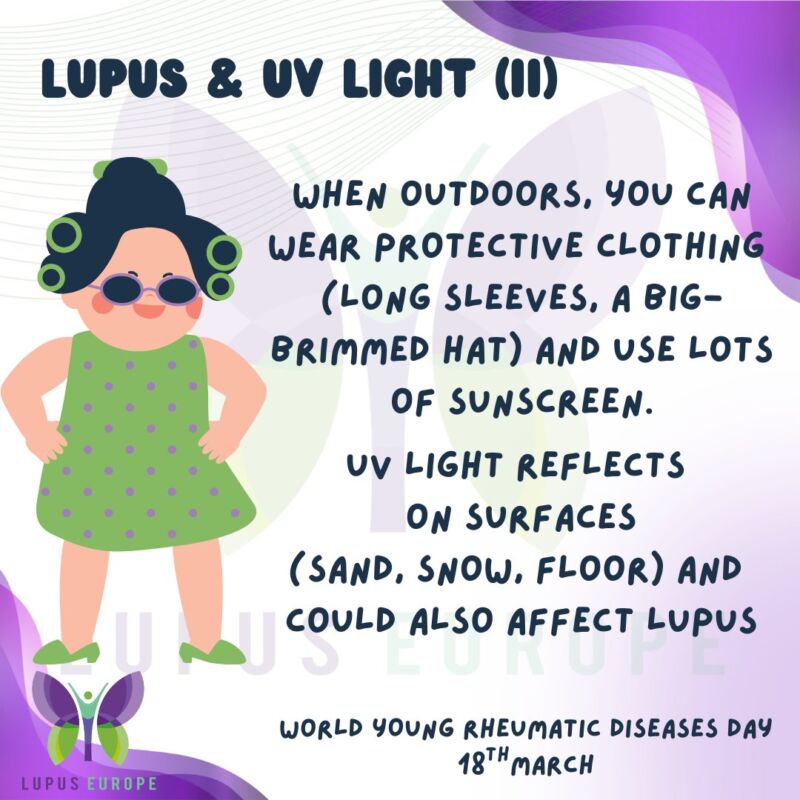
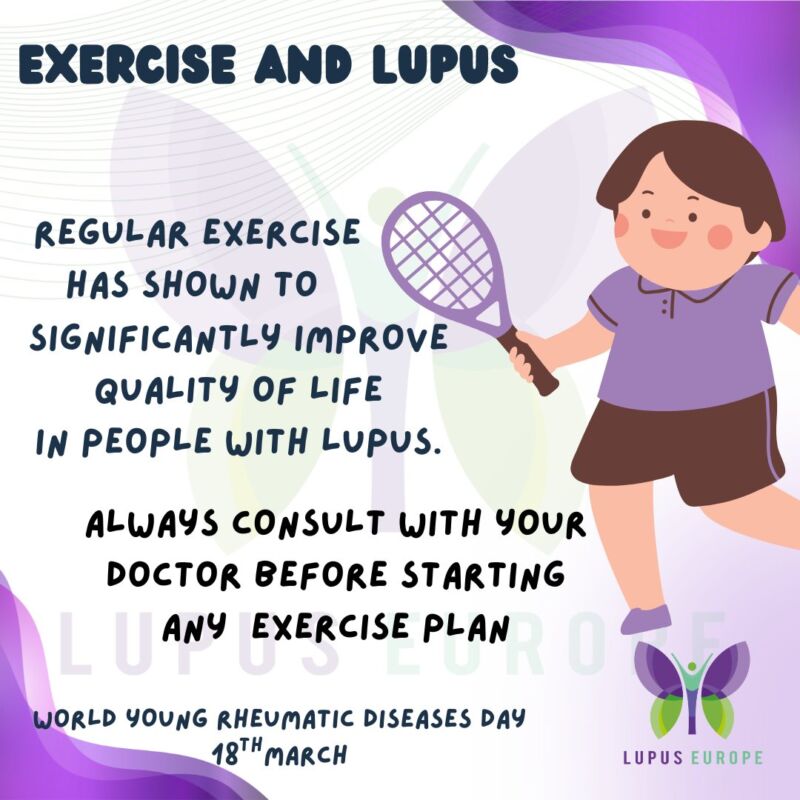
There is no vaccine or golden rule of behavior that will prevent disease onset or further development. We have learned though the past few years that treatment plan is a shared decision between you and your treating specialist, so follow this plan. Also considering the typical comorbidities of autoimmune disease are complications from photosensitivity, smoking, level of exercise and dietary adjustment to observe CVDs could improve the general health status.
Current treatment recommendations are anti-malarials (hydroxychloroquine) to provide the long-term lowering general disease symptoms. When this is not enough, further immunosuppresives can be added, like from milder methotrexate to azathioprin, cyclosporine to mycophenolate mofetil. As a fast actor is generally used prednisolone. Only hydroxychloroquine and prednisolone have been approved for managing lupus respectively 1955 and 59.
There is a list of different biologics used in cases where other treatment is not enough or not having the wanted control of disease activity: rituximab, infliximab, etanercept, adalimumab and belimumab – most of which are used/approved for treatment of rheumatic arthritis. It is very difficult to tell when this or that compound has any effect on the individual, which complicates the efficacy assessment. No one set of biomarkers nor treatment is yet found.
The failing trials of one compound after another is devastating to witness – each time one less option for perhaps better outcomes and improved quality of life.
Lupus is often viewed as the archetype of autoimmune diseases – if the understanding of why and how this disease operates, then perhaps the autoimmune enigma can be solved!
People living with lupus share some further conditions with other rheumatic and/or autoimmune diseases, like serious fatigue, comorbidities, damage accrual not only from autoimmune response but also from treatment and more. Our special lupus aspect is complexity, the early age, the very burden and the mental impact. We need to do better!
Us living with lupus need to get actively involved in the research by not only delivering body fluids and tissue, but also through involvement in the planning and execution of research.
New approaches to find better research tools for classification of symptoms and disease manifestations clinically (ACR/EULAR) and genetically (IMI PRECISEADS), revision of the EULAR Recommendations of Management of SLE and revision of PROs used to capture disease activity – are in the process and with our representation.
Patient representatives have been actively engaged in building of consortia to launch new initiatives to build a better foundation for the lupus advancement in disease understanding, defining trial end-points and improve the patient reported outcome measures. We are part of the newly established ERN ReCONNET. At the moment we have one lupus representative working for EMA, but we also need to be better represented in other regulatory and political settings locally, regionally and nationally as well as internationally.