 Alain Cornet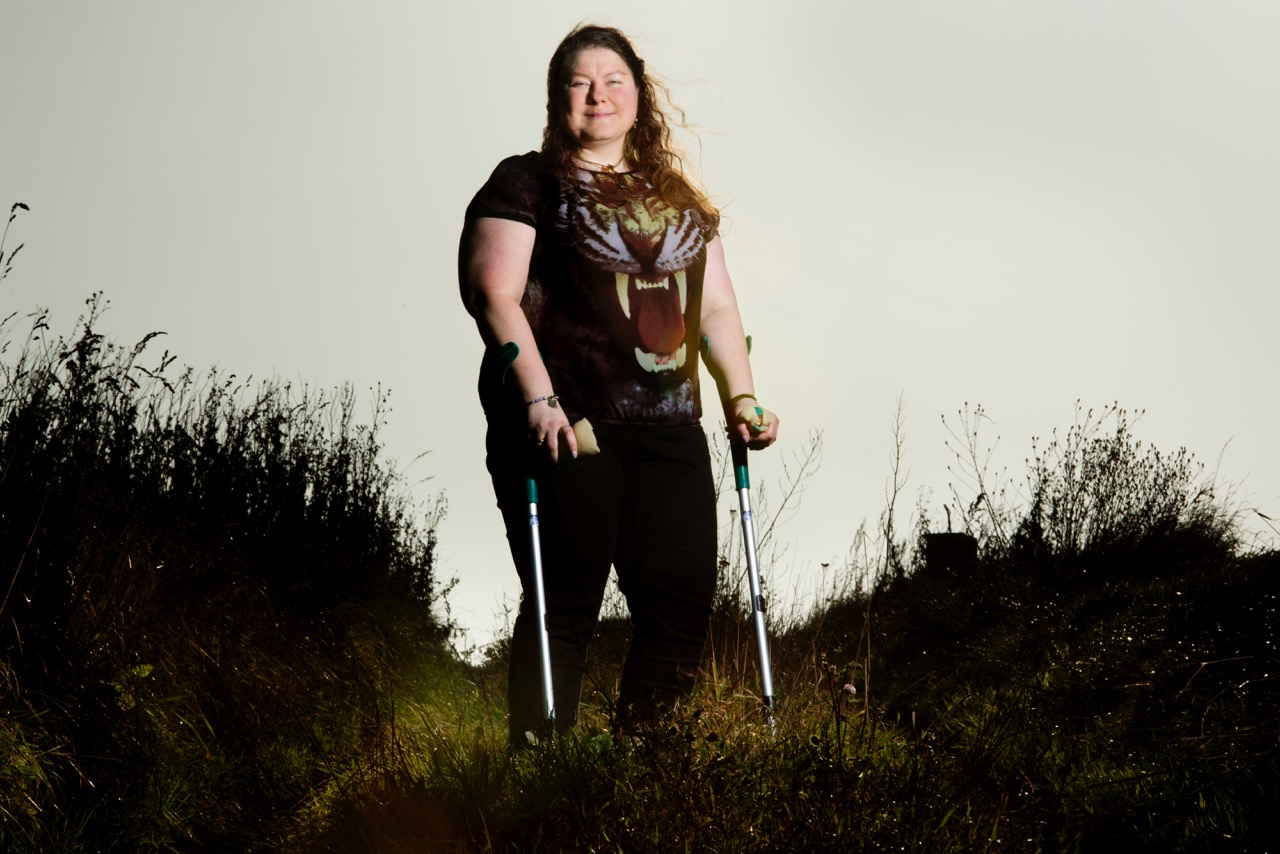
When I got my lupus diagnosis in 2011 I was a very active young woman with a teaching job and on my way to study for a PHD at Aarhus university. I have a master’s degree in German and Philosophy and I loved teaching. I used to be a fitness instructor during my studies and keeping in shape meant a great deal to me and my well being.
I have had many symptoms of lupus from as far back as the year 2000, but I never thought to connect all the elusive symptoms like hair loss, joint pains, headaches, fatigue and depression in one disease. My husband and I were on our honeymoon in Bali when I got my first real flare.
We had planned a guided tour around the island but after a few days I started having fewer. The fewer went up and down a lot, but since it was my only symptom and there was no doctor nearby, we went on with the tour. After four or five days I had the opportunity to see a doctor and he took a blood test and gave me antibiotics. There are no laboratories on Bali, so the blood test had to be sent to Java for analysis, which takes four to five days. While waiting for the results I suddenly one evening had difficulty breathing and my chest started hurting. I was rushed to the emergency clinic, which consisted of a small open room with chairs and tables for examination. It was mostly used for the many motorbike accidents with scrapes and bruises and did not have the equipment nor the space for a patient like me. They thought I had an asthma attack or maybe a lung infection, so they treated me with a nebulizer and antibiotics in IV, which did not help at all. I got worse and worse and was brought to a larger hospital in Denpasar, the capital of Bali. They took x-rays of my lungs and saw I had an infection, which they treated with more antibiotics. This did not help at all, however, and I got to the point where I passed out and was brought to intensive care. I was hooked up to a lot of machines, which monitored my vitals and alarms kept going off because my body was giving up. My attending doctor was convinced I had a bad pneumonia and just needed more antibiotics, then I would get better. From my wedding day I had had a horrendous headache and this only got worse while I was in hospital. Some very nice nurses noticed this and called in a neurologist to have a look at me. She was the first one to really have a good look at my body and she noticed I had rashes on my legs, arms, chest and face and she had an idea, what it might be, but didn´t tell us. She performed a brain scan and called a rheumatologist and he had one look at me and told my poor husband: “Your wife has lupus”. Of cause he had to take tests to be sure, but he was so convinced he was right, that he started me up in 1000 mg. of corticoid steroids. After only two hours my body started to respond to the medication and the vital signs very slowly returned to normal. My husband did not believe, that this serious episode could be caused by arthritis, but he borrowed a computer, went online to the Danish arthritis association’s home page and read about lupus and suddenly all my symptoms from the past 11 years made sense. While I was recovering new tests were made and they all confirmed, that I had lupus. It manifested itself in my lungs, my heart, my brain and my central nervous system. After two weeks’ time I was so stable, that I could travel back home.
My lupus has turned out to be quite aggressive, partly because of my late diagnosis, and today the illness combined with side-effects from the medication has left me walking-impaired and a lot heavier than before. I am no longer able to work-out like I used to and a chronic headache alternating with migraines means I am no longer able to work. Since I still have my good education and I really needed to do something meaningful in my everyday life, I started as a volunteer in the Danish lupus association in 2012. I found such satisfaction in this work, that I have taken on more and more work since then. In 2014 I became a working group member of EULAR Young PARE and last year I was elected into the LUPUS EUROPE board. By volunteering for these organisations, I have the opportunity to help other people with an RMD, while still taking care of my own disease by only working, when I have the health and energy for it.
Although SLE has changed my life from a very active one, with a fulltime job and a lot of fitness in my spare time to a condition, where I am immobilised in a wheelchair and can work only a few hours a week, I have found a new purpose and meaning in life, by helping other people with RMDs all across Europe.