We are thrilled to share some exciting news from the recent GlobalSkin ELEVATE Conference in Brussels, where Annemarie Sluijmers, Vice Chair and Secretary of Lupus Europe, was honoured with the prestigious GlobalSkin Patient Leaders Award. The conference, held from June 1 to 4, brought together experts, researchers, and patient advocates from the field of dermatology to discuss and strengthen connections across world regions and disease areas. During this event, Annemarie received the Collaborator Award for her outstanding contributions to the GlobalSkin Europe Community. Let’s take a closer look at Annemarie’s work with GlobalSkin and at how Lupus Europe is making a difference in raising awareness for skin-related issues in Lupus.
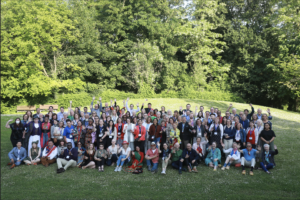
 

Group picture of delegates from ELEVATE 2023 ConferenceLupus Europe has been collaborating with the GlobalSkin community, the International Alliance of Dermatologic Patient Organisations (IADPO). IADPO has many members, the majority of whom are patient organisations in Europe. IADPO’s focus is on skin-related conditions, on uniting the voices of European Rare Skin Patients and on advocating for medical dermatology to be prioritised on the European policy agenda.


Photo from GlobalSkin ELEVATE Conference; you can find it: https://www.flickr.com/photos/iadpo/albums 


Annemarie Sluijmers plays a pivotal role in this collaboration between Lupus Europe and IADPO. Annemarie is a Vice Chair and Secretary of Lupus Europe and she is also a member of the Advisory Committee of GlobalSkin-Europe. This platform brings  together patient advocates, dermatologists, and policymakers to work towards common goals. Additionally, Annemarie is also a member of the Advisory Committee of RareDERM and the Steering Committee of the World Skin Health Coalition.


Highlights from the ELEVATE Conference:


  • The ELEVATE 2023 conference offered valuable insights into various aspects of dermatology, research, and advocacy. Here are some key takeaways:


  • The Importance of Data: Experts emphasised the significance of global data for (rare) skin diseases, requiring unique codes compatible with different IT systems.


4-four-things-change-dermatology

    Photo from GlobalSkin ELEVATE Conference; you can find it: https://www.flickr.com/photos/iadpo/albums 

  • AI and Non-Invasive Imaging: AI technology has potential applications beyond primary care skin cancer, offering non-invasive imaging for various dermatological conditions.


  • LC-OCT: Line-field confocal optical coherence could be a promising alternative to skin biopsies.


  • Personalised Medicine: The conference highlighted the importance of personalised medicine, including the sterilisation and re-use of single-use instruments and using medications beyond their expiration date.


Recognising Outstanding Contributions:

During the ELEVATE Conference, Lupus Europe’s very own Annemarie Sluijmers received the Collaborator Award for her dedication to the GlobalSkin Europe Community.
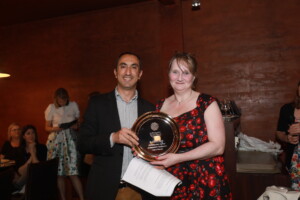
Photo of Annemarie Sluijmers receiving the Collaborate award during the ELEVATE 2023 Conference


    Photo from GlobalSkin ELEVATE Conference; you can find it:

https://www.flickr.com/photos/iadpo/albums 


This was said about her: “Annemarie is Board Member of Lupus Europe. She is a devoted patient advocate and a committed supporter of the GlobalSkin Europe activities. She consistently provides insights and share ideas, precious for the whole community. I must also stress that she is a diligent Eupati fellow. Annemarie is very active not only at the national, but also at the European level.


GRIDD Study: 


If you have skin lupus or involvement of the skin while having SLE, do participate in the GRIDD study survey. You can find the GRIDD study survey at the following link: https://www.my.crf.one/en/Public/RegisterSurvey/279e953a-b9be-4b2c-9b5c-f1e32a25bb59


Your input will contribute to furthering the understanding of these conditions and their true impact. Collaboration and data play crucial roles in improving the lives of those affected by skin diseases

Live Facebook Feed

Comments Box SVG iconsUsed for the like, share, comment, and reaction icons

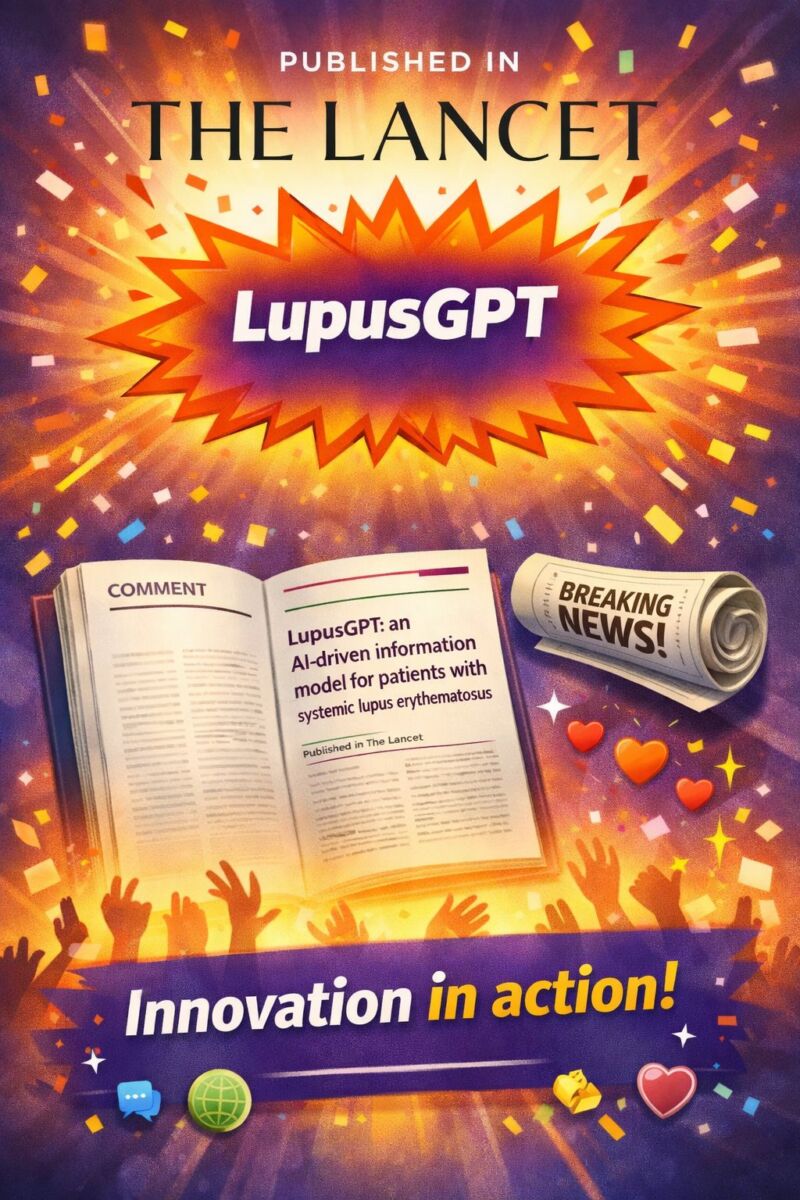
We are very proud to share that LupusGPT has now been published in The Lancet Rheumatology, one of the world’s leading medical journals in rheumatology.

For us, this is not only about a publication. It is about what LupusGPT stands for.

LupusGPT is free. It is patient-led. And it was built to help people living with lupus find reliable, accessible information in almost any language.

It began with a simple but important question: what could become possible if patients, clinicians, and digital experts truly worked together from the start?

That question was first opened up in a fishbowl discussion at the European Lupus Meeting 2024 on how the lupus community could get the best, but not the worst, out of AI. From there, LupusGPT was shaped through the care, intelligence, and effort of many people: volunteers, patient testers, clinicians testing across languages, people who gave feedback, and people already helping us share it with patients in clinics, organisations, and communities.

This publication matters because it shows that patient-led innovation belongs in the scientific world too. It shows that when patient voice is not added at the end, but built in from the start, something real can grow.

A heartfelt thank you to all authors: Zoe Karakikla-Mitsakou, Alain Cornet, Jeanette Andersen, Sarah Dyball, Cristiana Sieiro Santos, Daniel Guimarães de Oliveira, and Laurent Arnaud. Special thanks also to Daniel Guimarães de Oliveira for the thought, care, and belief he brought to this work, and to Professor Laurent Arnaud for his outstanding support, steadiness, and guidance.

And above all, thank you to everyone in the Lupus Europe community who keeps showing us why this matters.

LupusGPT. Free. Multilingual. Patient-led. And now part of the scientific record.

doi.org/10.1016/S2665-9913(25)00370-4

Read it for free now! You only need to register (registration is completely free and takes 1')
... See MoreSee Less

We are very proud to

🚨 Today is #WORDDAY2026! Which stands for WOrld Young Rheumatic Disease Day.

🌍 Through this global event, we can spread the word that children and young people get rheumatic diseases like lupus, too.

‼️ It is estimated that around 15-20% of #lupus patients are children, although it is rare that a child develops lupus before 5 years of age.

As with adult patients, the cause of lupus remains unknown, and there is a great choice of treatments to keep the disease under control.

🔴 On average, it takes nearly 6 years for people with lupus to be diagnosed. This delay in diagnosis, and therefore in treatment, can have an impact on the prognosis and quality of life of patients; this includes kids.

😰 The moment your child gets a diagnosis might be overwhelming for you. This feeling of overwhelm can and does go away with time and with access to the right information.

👉 Remember: it is impossible to learn everything about #lupus overnight! Your child's doctor is the best source of information.

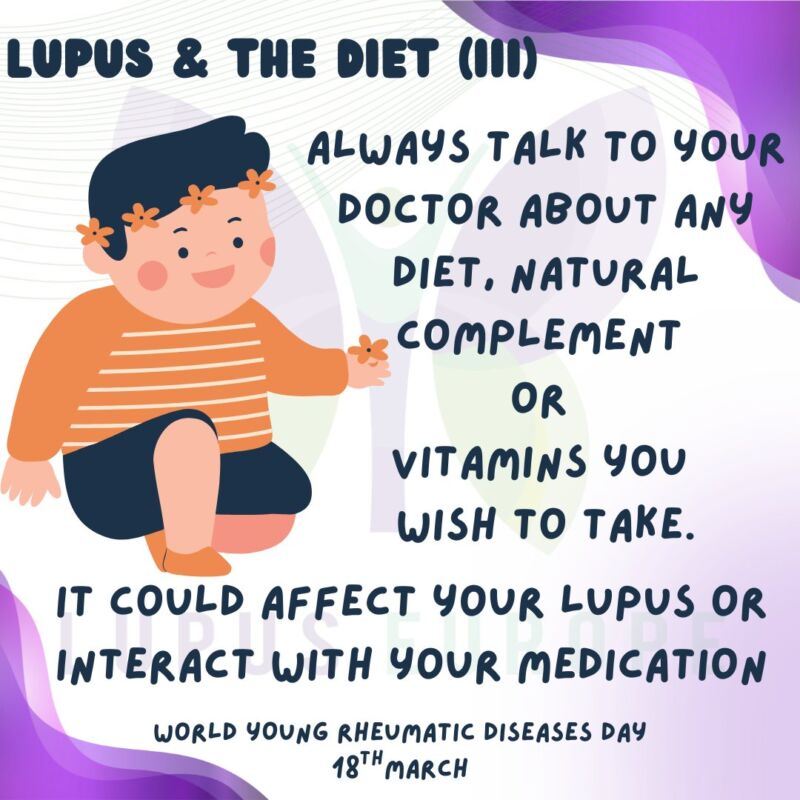
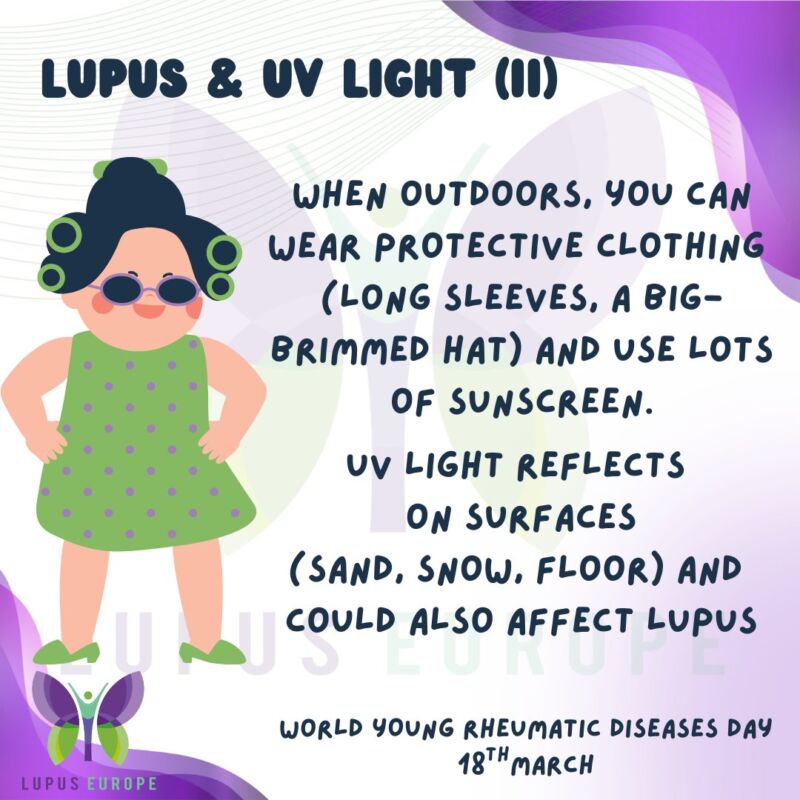
Apart from pharmacological treatment, other non-pharmacological measures can also help in lupus management.

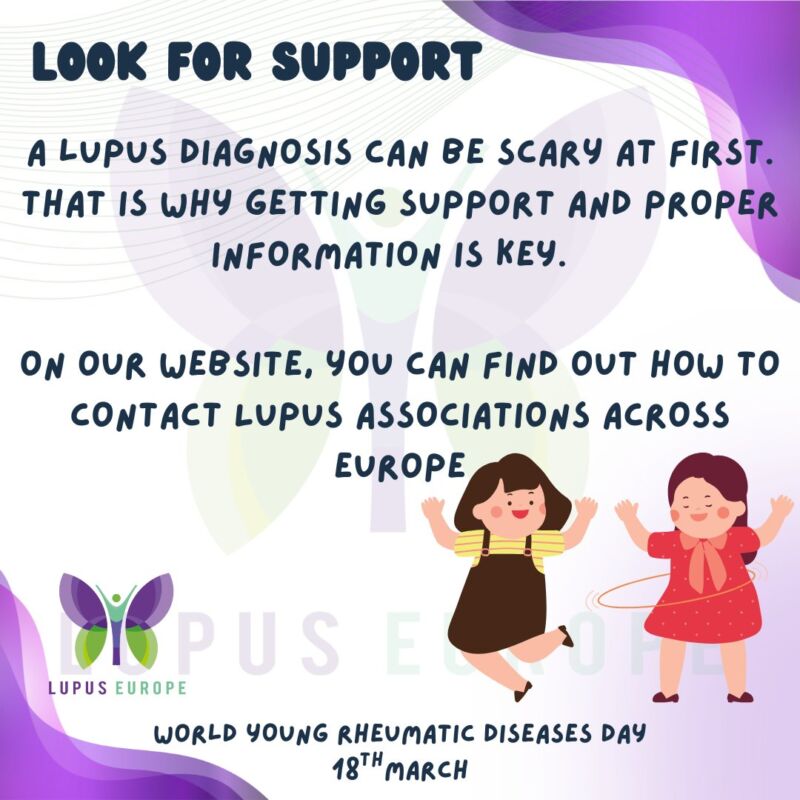
📷 Take a look at the images we are sharing today to learn about these non-pharmacological measures and share them with your community to help us raise awareness.

🐺 Lupus can seem scary at first. Remember that you are not alone and that you are going to do a great job!

Turn to your lupus association for support.

🤗 There are many organisations across Europe that can help you and your child cope with the disease.

More information on #SLE in children at #Lupus100: f.mtr.cool/oklkpqamyu

For more information on WORD Day, you can visit World Young Rheumatic Diseases Day - WORD Day
... See MoreSee Less

Image attachment
Image attachment
Image attachment
Image attachment
Image attachment

🔴 Tomorrow is #WORDDAY2026!

🦋 And we will be sharing tips and information on how #lupus can affect children.

Help us raise awareness, which is key for an early diagnosis & a quick referral to a specialised paediatric rheumatologist.

Share our posts and follow the World Young Rheumatic Diseases Day - WORD Day campaign.

More information on lupus in children at #Lupus100 (19 languages):

f.mtr.cool/hnfukbkwdf
... See MoreSee Less

🔴 Tomorrow is #WO

Watch this Lupus Europe Webinar on the European Lupus Meeting (ELM) 2026, As Viewed by Lupus Europe's PAN Members & Volunteers!

... See MoreSee Less

0 CommentsComment on Facebook

LUPUS EUROPE Uniting people with Lupus throughout Europe
Send