There is still so much to learn about lupus in Europe. One of the ways this is happening is through surveys. Some are organised by LUPUS EUROPE, others by the European reference Networks or our partners, others by academics or other member groups… To help you contribute, we have assembled here some of the surveys currently available. Don’t hesitate to click on the respective links to provide your input to all!

Hydroxychloroquine Availability

Did you find HydroxyChloroquine last time you tried to buy it?

5 YES/NO questions on Clinical trials

A very short ``YES or NO`` questionnaire on clinical trials to focus next steps

Rare Barometer

Help EURORDIS communicate facts and figures to decision makers on the future of rare diseases (incl. lupus), so that your voice is heard

GRA COVID-19 Vax Survey

Help scientists understand how people with rheumatic disease make decisions regarding vaccines

Photolup Study

Help scientists understand photosensitivity in lupus better by taking part in the survey

ERN ReCONNET Survey

Tell scientists about the unmet needs of rare disease patients (inc. lupus) around pregnancy

Live Facebook Feed

Comments Box SVG iconsUsed for the like, share, comment, and reaction icons

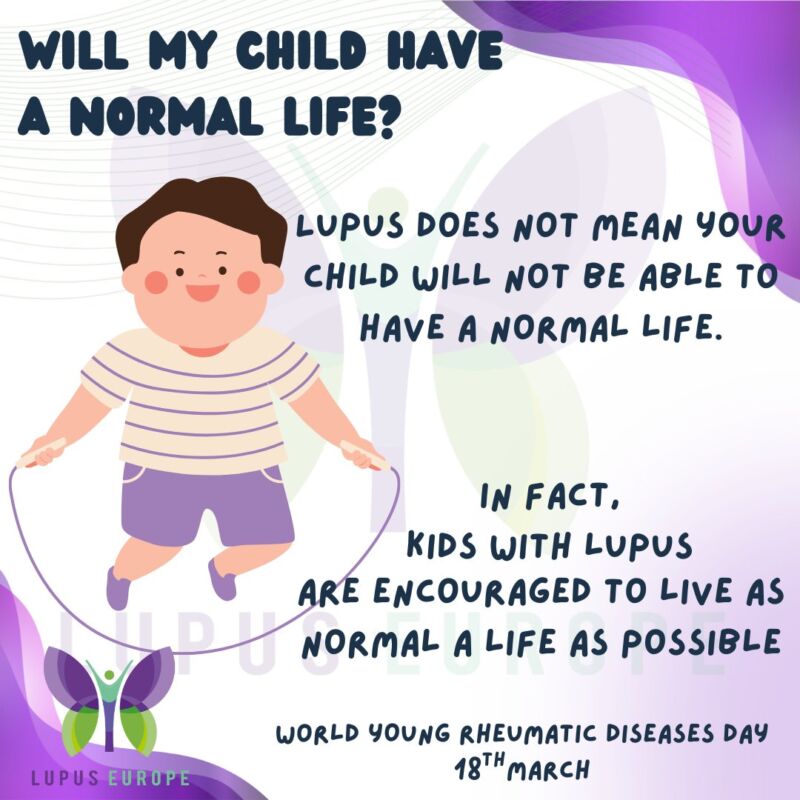
🚨 Today is #WORDDAY2026! Which stands for WOrld Young Rheumatic Disease Day.

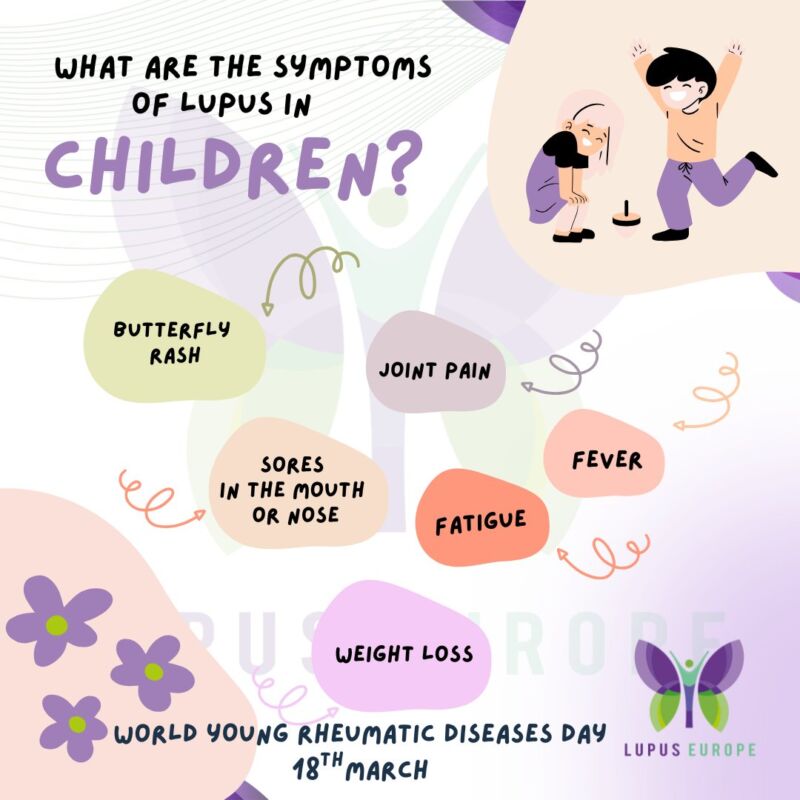
🌍 Through this global event, we can spread the word that children and young people get rheumatic diseases like lupus, too.

‼️ It is estimated that around 15-20% of #lupus patients are children, although it is rare that a child develops lupus before 5 years of age.

As with adult patients, the cause of lupus remains unknown, and there is a great choice of treatments to keep the disease under control.

🔴 On average, it takes nearly 6 years for people with lupus to be diagnosed. This delay in diagnosis, and therefore in treatment, can have an impact on the prognosis and quality of life of patients; this includes kids.

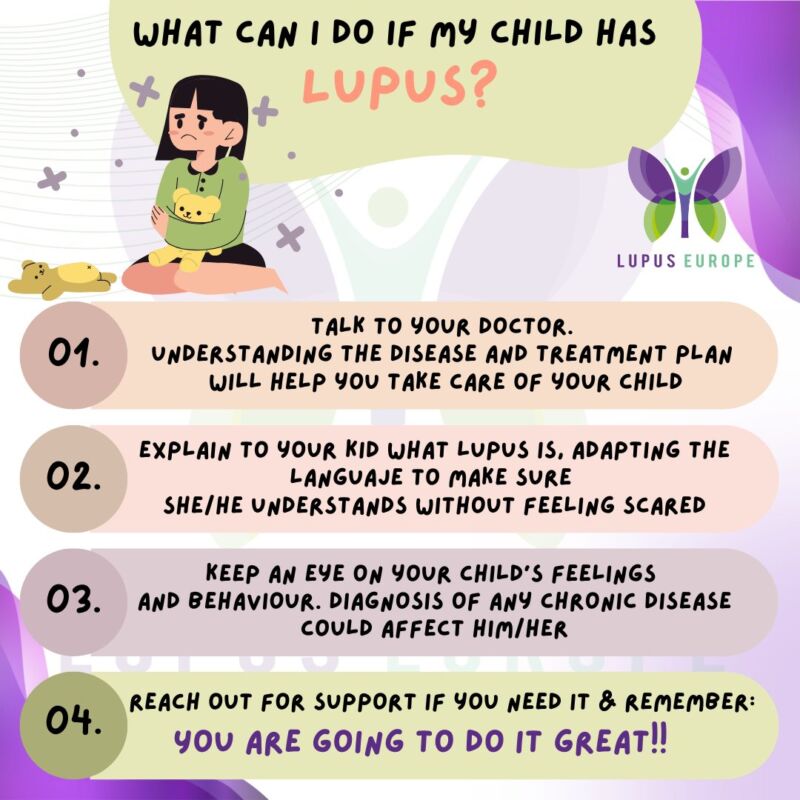
😰 The moment your child gets a diagnosis might be overwhelming for you. This feeling of overwhelm can and does go away with time and with access to the right information.

👉 Remember: it is impossible to learn everything about #lupus overnight! Your child's doctor is the best source of information.

Apart from pharmacological treatment, other non-pharmacological measures can also help in lupus management.

📷 Take a look at the images we are sharing today to learn about these non-pharmacological measures and share them with your community to help us raise awareness.

🐺 Lupus can seem scary at first. Remember that you are not alone and that you are going to do a great job!

Turn to your lupus association for support.

🤗 There are many organisations across Europe that can help you and your child cope with the disease.

More information on #SLE in children at #Lupus100: f.mtr.cool/oklkpqamyu

For more information on WORD Day, you can visit World Young Rheumatic Diseases Day - WORD Day
... See MoreSee Less

Image attachment
Image attachment
Image attachment
Image attachment
Image attachment

🔴 Tomorrow is #WORDDAY2026!

🦋 And we will be sharing tips and information on how #lupus can affect children.

Help us raise awareness, which is key for an early diagnosis & a quick referral to a specialised paediatric rheumatologist.

Share our posts and follow the World Young Rheumatic Diseases Day - WORD Day campaign.

More information on lupus in children at #Lupus100 (19 languages):

f.mtr.cool/hnfukbkwdf
... See MoreSee Less

🔴 Tomorrow is #WO

Watch this Lupus Europe Webinar on the European Lupus Meeting (ELM) 2026, As Viewed by Lupus Europe's PAN Members & Volunteers!

... See MoreSee Less

0 CommentsComment on Facebook

Thank you so much for bearing with us. We’re experiencing some unexpected technical difficulties with Facebook Live in relation to the European Lupus Meeting (ELM) 2026 webinar due to air at 19:00 CET. The webinar is being recorded, and we will make sure it is shared with you as soon as possible. ... See MoreSee Less

Thank you so much fo